
Control of Work
Control of Work is not paperwork — it is a vital safety system. This course helps learners to understand their role within it, apply controls correctly, and take personal responsibility for safe, controlled work in hazardous environments.
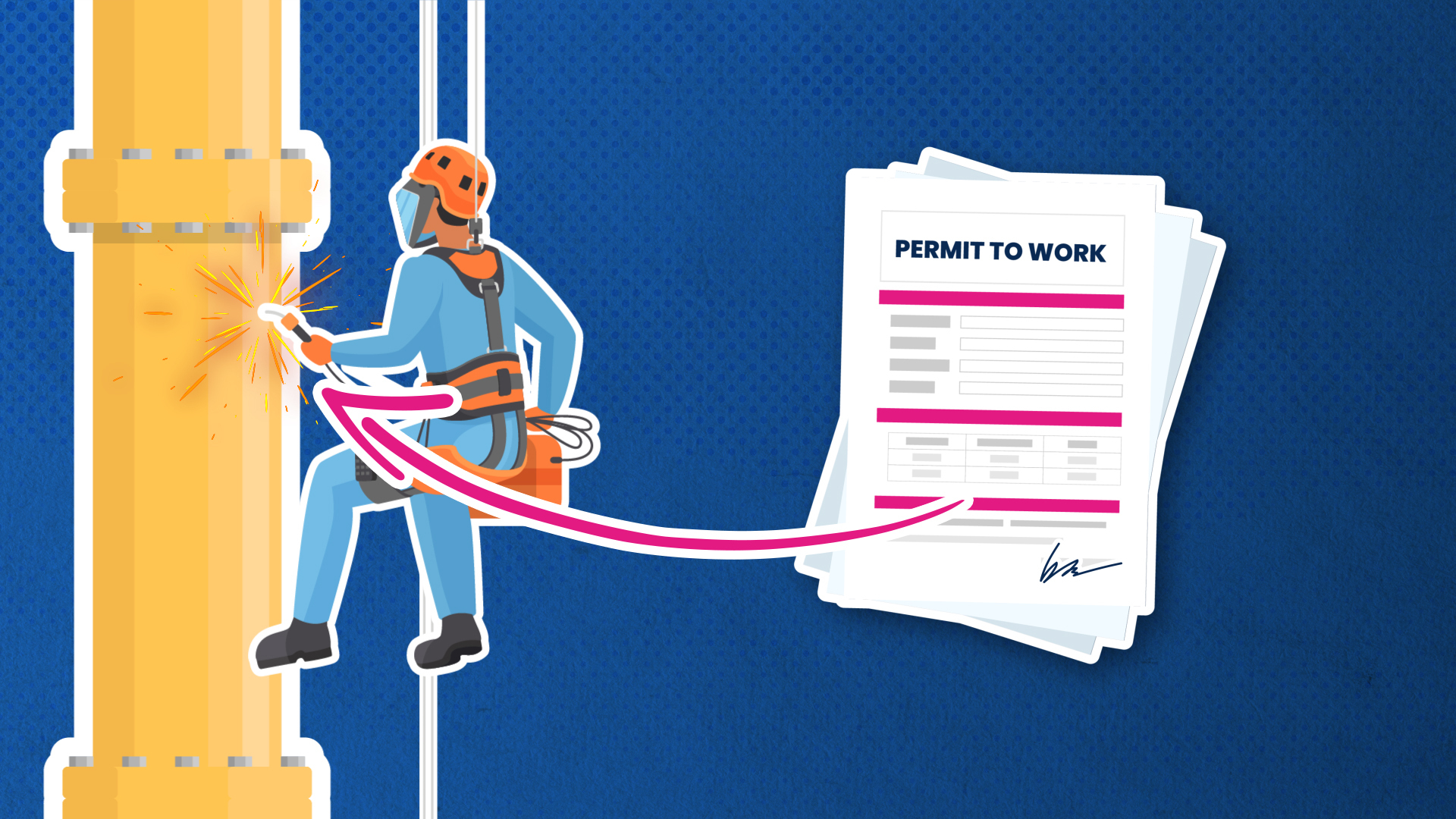
At a glance
- 30 minutes
- 12 assessment questions
- No pre-requisites
- 80% pass mark
Accreditation
Chorus Training certificate
£40.00
Per unit - exc. VAT
Why this course matters
- Failures in work planning and permit systems have contributed to major industrial accidents
- Poor shift handovers have been identified as causal factors in high-profile disasters
- Permit to Work systems are a critical legal and operational control for high-risk activities
- Strong Control of Work processes reduce incidents, protect assets, and save lives
(Source: HSE.gov.uk; Step Change in Safety)

-
Overview
Control of Work is a critical system used to manage high-risk activities and ensure work is planned, authorised, and carried out safely. Failures in Control of Work systems have been a contributing factor in many major accidents across hazardous industries.
This course provides learners with a clear understanding of the Control of Work framework, including Safety Management Systems (SMS) and the Permit to Work (PTW) process. Learners explore how hazards are identified, risks are controlled, and responsibilities are shared to protect people, the environment, and assets. By the end of the course, participants will understand how Control of Work systems support safe operations and why personal accountability is essential.
-
Who should take this course?
This training is suitable for:
- Personnel working in high-risk or non-routine tasks
- Supervisors, team leaders, and managers responsible for work planning
- Employees required to work under a Permit to Work system
- Anyone with responsibility for authorising, supervising, or carrying out controlled work
-
Learning outcomes
By the end of this course, learners will be able to:
LO1: Describe what a Safety Management System (SMS) is and how it supports safe operations
LO2: Explain the key elements of a strong HSE policy and why an SMS must remain active
LO3: Describe key safety elements and the benefits of incident and near-miss reporting
LO4: Explain the importance of effective shift handovers and how failures can lead to major accidents
LO5: Identify the role of audits
LO6: Explain the principles and objectives of the Permit to Work (PTW) system
LO7: Summarise the essential rules of the PTW system
LO8: Explain PTW colour coding, legal status, and it's role in controlling risk
LO9: Explain how PTW systems operate, including paper and electronic permits
LO10: Identify the key roles involved in PTW generation
LO11: Describe how to sign, suspend, and reinstate a Permit to Work
LO12: Explain why personal responsibility is essential when working under a PTW system
-
Course content
This course combines high-impact visuals, clear narration, and interactive activities to guide learners through:
- The principles and purpose of a Safety Management System (SMS)
- The Plan-Do-Check-Act (PDCA) cycle and continuous improvement
- HSE policies, audits, drills, records, and reporting systems
- The importance of clear and structured shift handovers
- Permit to Work principles, objectives, and industry guidance
- PTW colour coding, legal status, and system types
- Roles and responsibilities within the PTW process
- Signing, stopping, and reinstating permits safely
- Personal accountability and safe behaviours under Control of Work
-
Assessment & certification
This Control of Work training course ends with a 12-question multiple choice assessment with a downloadable certificate.
User certificates, training programmes and results are all stored centrally in your LMS and can be accessed at any time to reprint certificates, check pass marks and act as proof of a commitment to ongoing legal compliance.
-
What does my certificate include?
Your Control of Work training certificate includes your name, company (if applicable), course title, date of completion, expiry date, and relevant accreditations or approval stamps.
Note: If using SCORM delivery via a third-party LMS, certification will need to be generated within your host LMS
Play video

Explore more
Related courses
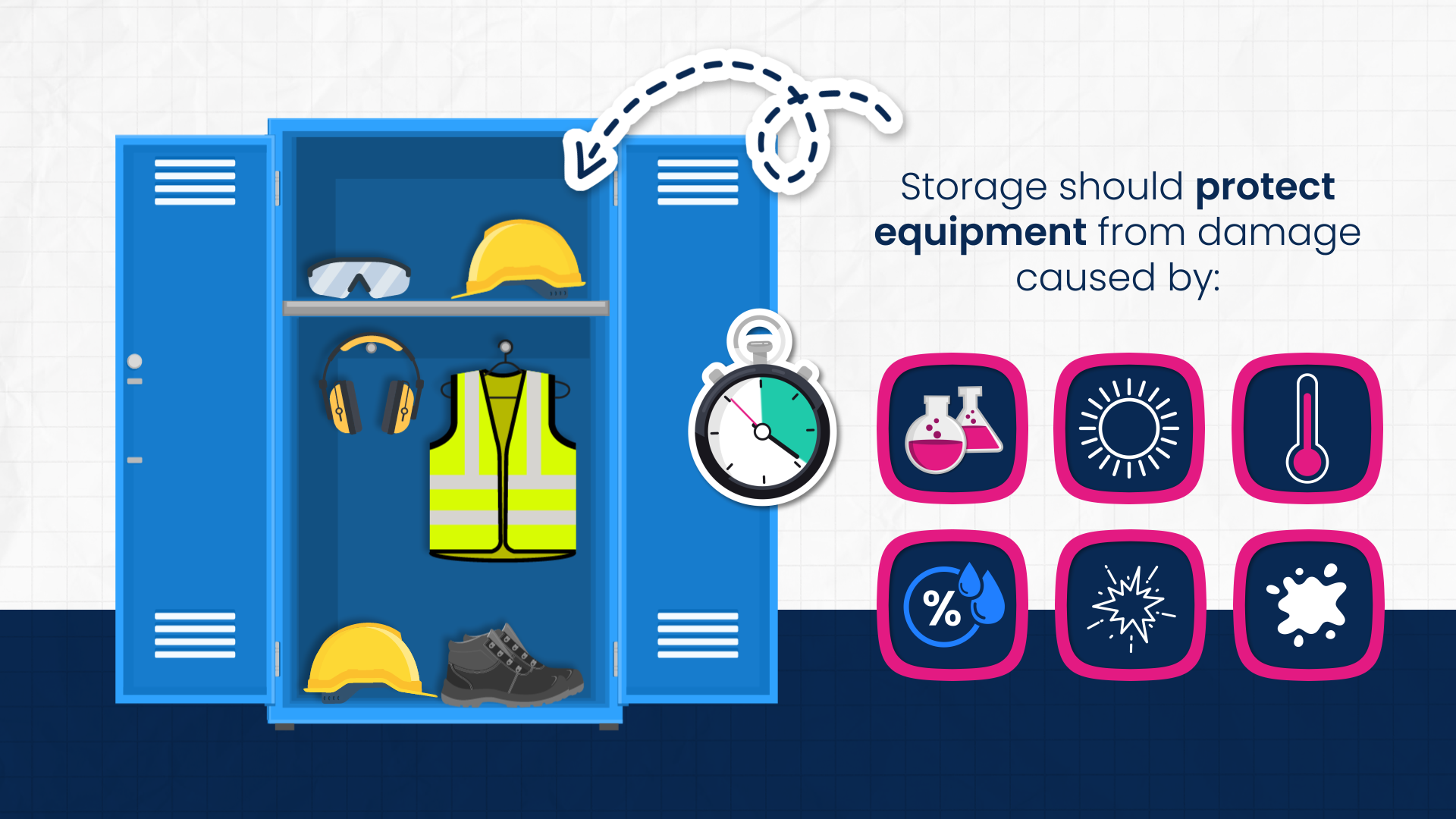
PPE Awareness
- 30 minutes
- 10 assessment questions
- No pre-requisites
- 80% pass mark
Chorus Certificate of Training
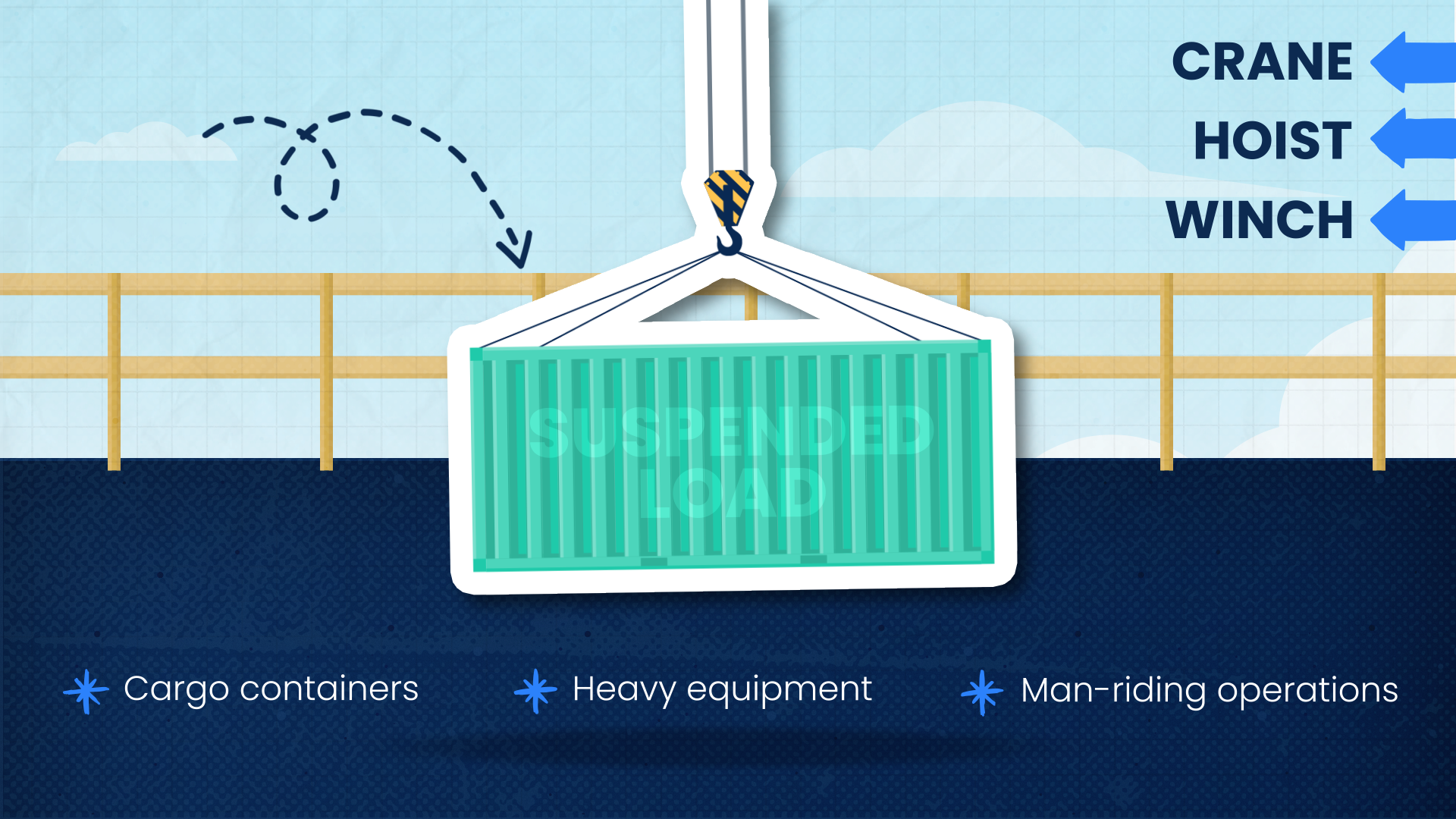
Workplace Hazards and Personal Safety
- 90 minutes
- 15 assessment questions
- No pre-requisites
- 80% pass mark
Chorus Certificate of Training

Major Accident Hazards
- 45 minutes
- 15 assessment questions
- No pre-requisites
- 80% pass mark
Chorus Certificate of Training