
Major Accident Hazards
Major accidents in hazardous industries can result in catastrophic loss of life, environmental harm, and severe operational damage. This Major Accident Hazards (MAH) course equips learners with the knowledge to recognise how such events occur, understand the controls that prevent them, and contribute to a robust safety culture.
At a glance
- 45 minutes
- 15 assessment questions
- No pre-requisites
- 80% pass mark
Accreditation
Chorus Training certificate
£40.00
Per unit - exc. VAT
Why this course matters
- In 2024/25, 124 workers were killed in work-related accidents in the UK — with nearly half of these in construction and agriculture.
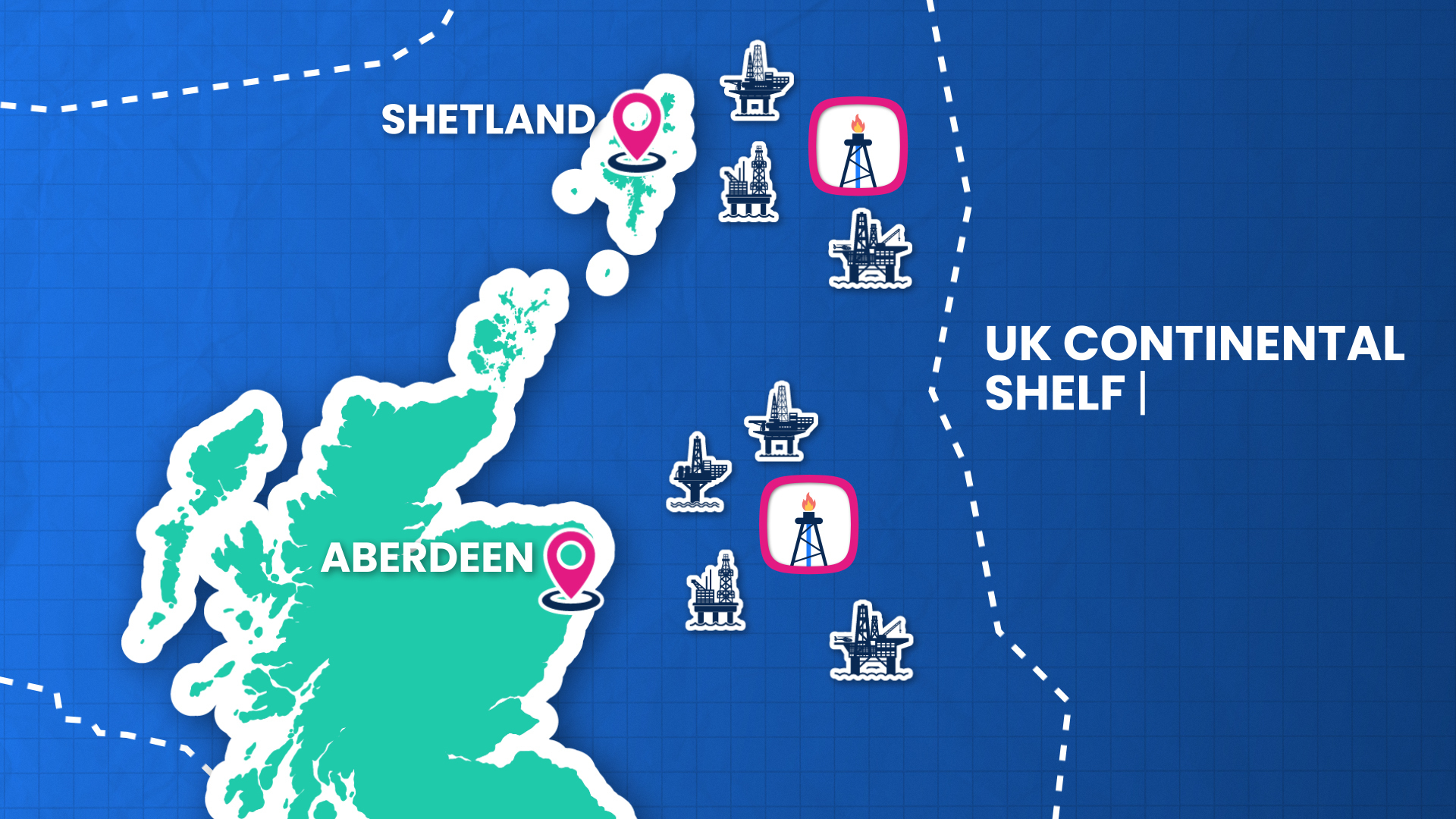
- Offshore and other hazardous sectors continue to face high-risk conditions where a single failure can cause catastrophic harm.
- Learning from historic incidents has shaped modern safety practices and legislation such as the Safety Case Regulations and PFEER. (Source: HSE.gov.uk)

-
Overview
This Major Accident hazards course provides learners with an understanding of the hazards, controls and safety systems used to prevent catastrophic incidents in hazardous industries. learners will explore the causes and consequences of major accidents, the legislation and safety frameworks that govern high-risk operations, and the lessons learned from significant industry events.
The course also covers incident escalation, emergency responses, safety cases, barrier models, asset integrity, and process principles, helping learners understand their role in preventing major accidents and protecting people, assets and the environment.
-
Who should take this course?
This training is suitable for:
- Personnel working in hazardous or high-risk environments
- Supervisors and team leaders with safety or operational responsibilities
- Safety professionals and permit-to-work approvers
- Contractors and technicians involved in high-hazard activities
-
Learning outcomes
By the end of this course, learners will be able to:
LO1: Identify offshore work environments and activities.
LO2: Identify offshore work environments and activities.
LO3: Identify the different legislative frameworks for hazardous industries.
LO4: Explain the types of major accident hazards present across hazardous industries.
LO5: Describe key major accidents in hazardous industries and how they shaped today’s safety practices.
LO6: Describe the types of work activities performed across hazardous industries and explain their associated risks.
LO7: Explain how minor incidents can escalate into major accidents.
LO8: Describe the purpose of temporary refuge and evacuation methods offshore.
LO9: Analyse industry safety statistics and performance indicators.
LO10: Explain what a Safety Case is and why it’s required.
LO11: Recognise how activities and personal responsibility contribute to the Safety Case.
LO12: Describe how barrier models are used to demonstrate potential weaknesses in safety systems.
LO13: Identify why asset integrity is critical to safety.
LO14: Describe employer and employee responsibilities in contributing to asset integrity.
-
Course content
This course combines high-impact visuals, clear narration, and interactive activities to guide learners through:
- Offshore environments, operations, and terminology
- Key UK and international safety legislation
- Major accident hazards and landmark case studies (Piper Alpha, Texas City, Grenfell Tower)
- How minor incidents escalate into major events and how to prevent them
- Emergency response: temporary refuge, evacuation, and recovery procedures
- Safety performance indicators (lagging vs leading) and continuous improvement
- The Safety Case framework, barrier models (Bowtie, Swiss Cheese, LOPA), and risk visualisation
- Asset integrity, process safety, and responsibilities for inspection and reporting
-
Assessment & certification
This Major Accident Hazards training course ends with a 15-question multiple choice assessment with a downloadable certificate.
User certificates, training programmes and results are all stored centrally in your LMS and can be accessed at any time to reprint certificates, check pass marks and act as proof of a commitment to ongoing legal compliance.
-
What does my certificate include?
Your Major Accident Hazard training certificate includes your name, company name (if applicable), name of course taken, date of completion, expiry date, and stamps of approval or accreditations by recognised authorities.
Note: If using SCORM delivery via a third-party LMS, certification will need to be generated within your host LMS.
Play video

Explore more
Related courses
Fire Safety Awareness
- 30 minutes
- 12 assessment questions
- No pre-requisites
- 80% pass mark
Chorus Certificate of Training
First Aid Awareness
- 30 minutes
- 7 assessment questions
- No pre-requisites
- 80% pass mark
Chorus Certificate of Training
Risk Management Awareness
- 30 minutes
- 10 assessment questions
- No pre-requisites
- 80% pass mark
Chorus Certificate of Training