
Workplace Hazards and Personal Safety
Hazards are present in every hazardous workplace, but incidents are not inevitable. This course helps learners recognise workplace risks, apply safe working practices and play an active role in protecting people, assets, and the environment.
At a glance
- 90 minutes
- 15 assessment questions
- No pre-requisites
- 80% pass mark
Accreditation
Chorus Training certificate
£70.00
Per unit - exc. VAT
Why this course matters
- In 2023/24, the HSE recorded 138 workplace fatalities, with falls from height responsible for over a quarter of all deaths.
- Over 600,000 workers sustained a workplace injury, and slips, trips and falls made up nearly one-third of non-fatal injuries.
- Serious incidents often result from poor hazard recognition, unsafe behaviours, or bypassing essential controls — all of which are preventable through awareness and strong safety culture.
(Source: HSE.gov.uk)

-
Overview
Hazardous industries expose workers to a wide range of risks, from confined spaces and work at height to hazardous substances, high-pressure systems, dropped objects, noise, and more. Many of the most serious incidents occur not because hazards are hidden, but because they are underestimated, ignored, or poorly controlled.
This Workplace Hazards and Personal Safety course develops the knowledge and awareness needed to recognise hazards early, apply appropriate controls, and take personal responsibility for safe behaviours. It also explores the vital role of safety committees, representatives, life-saving rules, and strong communication in maintaining safe operations.
-
Who should take this course?
This training is suitable for:
- Workers operating in hazardous or safety-critical environments
- Supervisors and team leaders responsible for workplace safety
- New starters and contractors requiring a broad understanding of workplace hazards
- Anyone looking to improve hazard awareness and personal safety in the workplace
-
Learning outcomes
By the end of this course, learners will be able to:
LO1: Identify a confined space
LO2: Explain the dangers of working in a confined space
LO3: Describe what working at height is
LO4: Identify the different types of working at height equipment
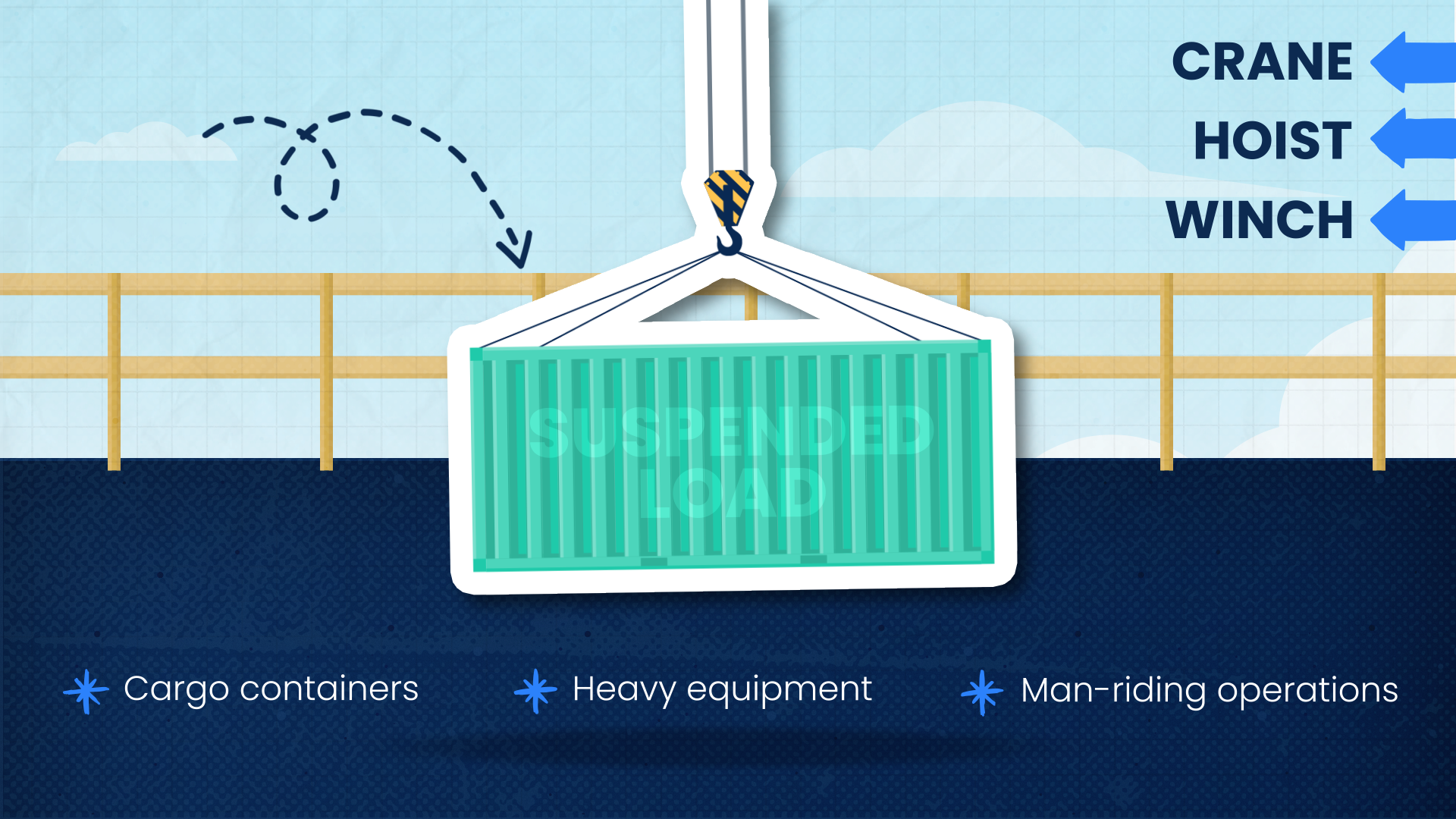
LO5: Describe the dangers associated with suspended loads
LO6: Describe the dangers associated with high-pressure systems and equipment
LO7: Explain the dangers associated with flammable and explosive atmospheres
LO8: Describe the dangers associated with moving and energised equipment
LO9: Identify common chemical hazards and demonstrate the safe use of labels, symbols, and safety data sheets
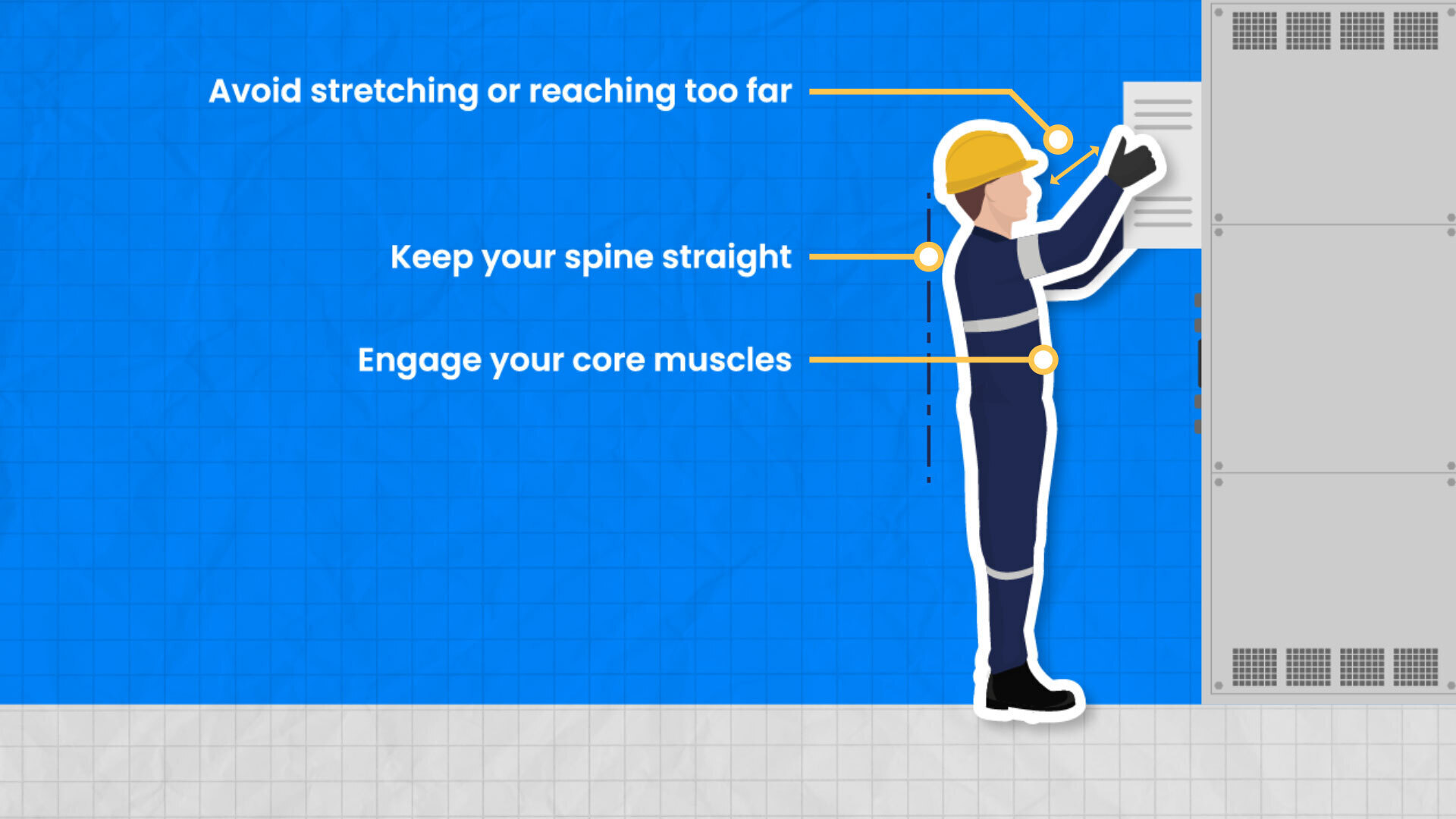
LO10: Describe the dangers associated with manual handling and how to control them
LO11: Explain the different vibration hazards
LO12: Describe the different types of safety critical equipment
LO13: Identify the different types of dropped objects and their hazards
LO14: Identify when and where hearing protection must be used in noisy environments
LO15: Identify common causes of slips, trips and falls and apply safe practices
LO16: Recognise the difference between personal and process safety
LO17: Define fatigue and identify its common causes in the workplace legislations are mentioned in all slides above
LO18: Describe the IOGP Life-Saving Rules and explain how to apply authorisation, permit-to-work, and hazard controls to prevent incidents
LO19: Identify the correct PPE needed for a specific task
LO20: Understand when to take Time Out for Safety, intervene to stop unsafe work, and report hazards
LO21: Recognise your impact, stay aware, and communicate clearly to prevent hazards
LO22: Explain how risks can change and that new controls may create new hazards
LO23: Describe the role of the safety committee and how to raise concerns effectively
-
Course content
This course combines high-impact visuals, clear narration, and scenario-based interactivity to guide learners through:
- Common workplace hazards, including confined spaces, working at height, suspended loads, and dropped objects
- High-pressure systems, moving equipment, hazardous substances, and explosive atmospheres
- Manual handling, vibration, noise, and other occupational health risks
- Process safety, safety critical equipment, and the IOGP Life-Saving Rules
- PPE, hazard reporting, stop-work interventions, and safe workplace behaviours
- Situational awareness, communication, fatigue management, and personal responsibility for safety
-
Assessment & certification
This Workplace Hazards and Personal Safety training course ends with a 15-question multiple choice assessment with a downloadable certificate.
User certificates, training programmes and results are all stored centrally in your LMS and can be accessed at any time to reprint certificates, check pass marks and act as proof of a commitment to ongoing legal compliance.
-
What does my certificate include?
Your Workplace Hazards and Personal Safety certificate includes your name, company (if applicable), course title, date of completion, expiry date, and relevant accreditations or approval stamps.
Note: If using SCORM delivery via a third-party LMS, certification will need to be generated within your host LMS
Play video

Explore more
Related courses

Major Accident Hazards
- 45 minutes
- 15 assessment questions
- No pre-requisites
- 80% pass mark
Chorus Certificate of Training
Manual Handling Awareness
- 30 minutes
- 10 assessment questions
- No pre-requisites
- 80% pass mark
Chorus Certificate of Training

Working at Height Awareness
- 30 minutes
- 10 assessment questions
- No pre-requisites
- 80% pass mark
Chorus Certificate of Training