
OPITO Minimum Industry Safety Training (MIST) Further
This OPITO-approved online training course is specifically designed for experienced offshore workers operating in the UK oil and gas industry.
At a glance
- 225 minutes
- 5 modules
- 100% pass mark
- Vantage number required
Accreditation
This course is OPITO accredited. OPITO is the global, not-for-profit, skills body for the energy industry and has been setting standards since 1991 to help improve workforce safety and competence.

£45.00
Per unit - exc. VAT
Why this course matters
- Hazardous offshore environments involve high-consequence risks where incidents can escalate quickly without proper hazard awareness and control
- Many incidents are preventable and often result from poor hazard awareness, communication failures or not following safe systems of work
- OPITO MIST provides a consistent, industry-wide baseline of safety knowledge, ensuring all personnel understand key risks, controls and responsibilities

-
Overview
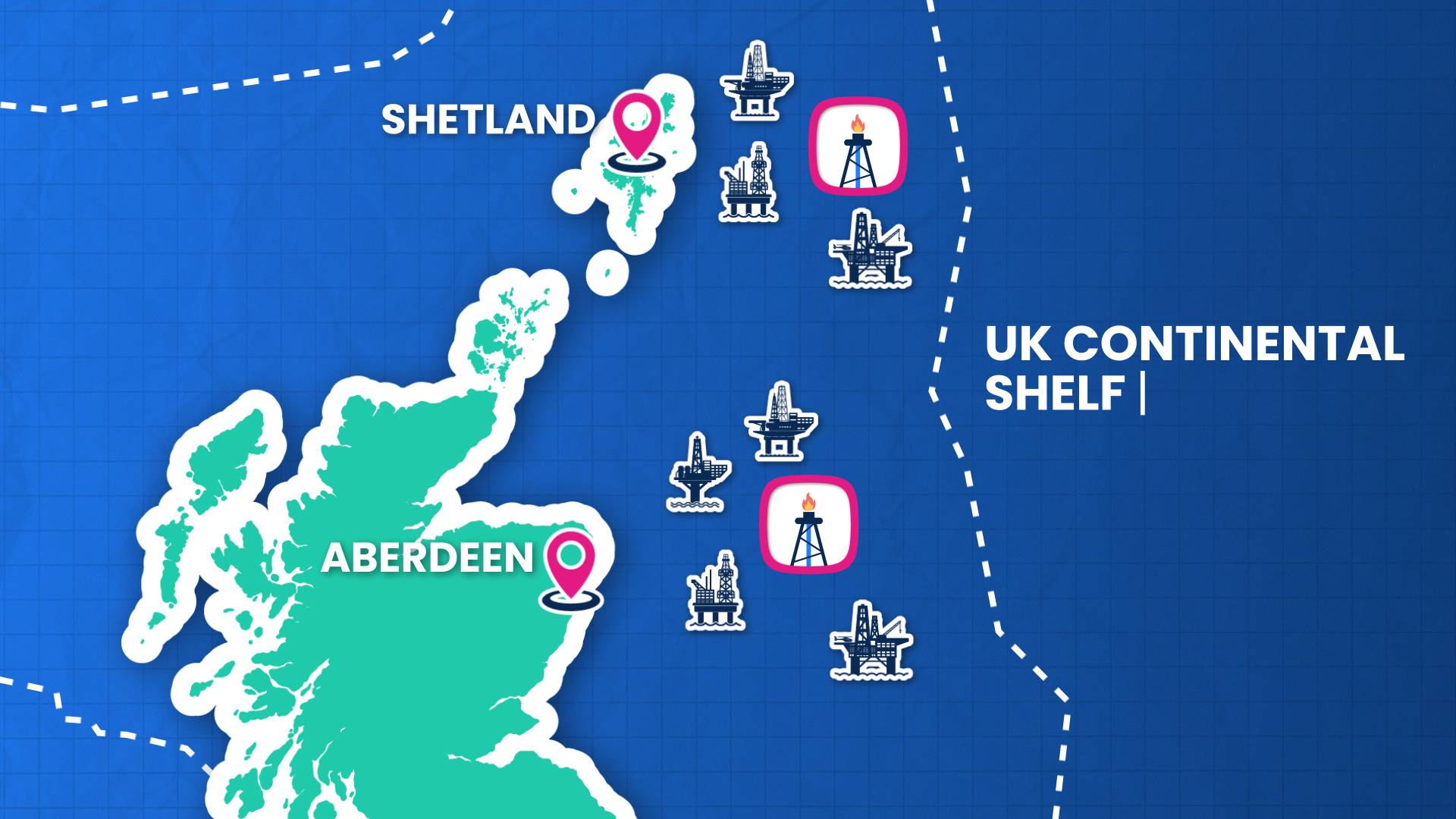
This OPITO Minimum Industry Safety Training (MIST) Further online training course is specifically designed for experienced offshore workers operating in the UK oil and gas industry. The aim of this online course is to enable learners to retain an awareness of the major accident hazards, workplace hazards and associated controls to be found on offshore installations. Learners are required to demonstrate their knowledge and understanding across the following key areas: Major Accident Hazards, Workplace Hazards and Personal Safety, Risk Management, Control of Work, and Helicopter Safety.
-
Who should take this course?
This training is suitable for experienced offshore personnel renewing their OPITO MIST certification, including those who hold a valid OPITO MIST initial or current MIST Further certificate. All learners are required to supply a valid vantage number before commencing the course.
-
Learning outcomes
Major Accident Hazards
LO1: Identify the main offshore activity areas
LO2: Identify offshore work environments and activities
LO3: Identify the different legislative frameworks for hazardous industries
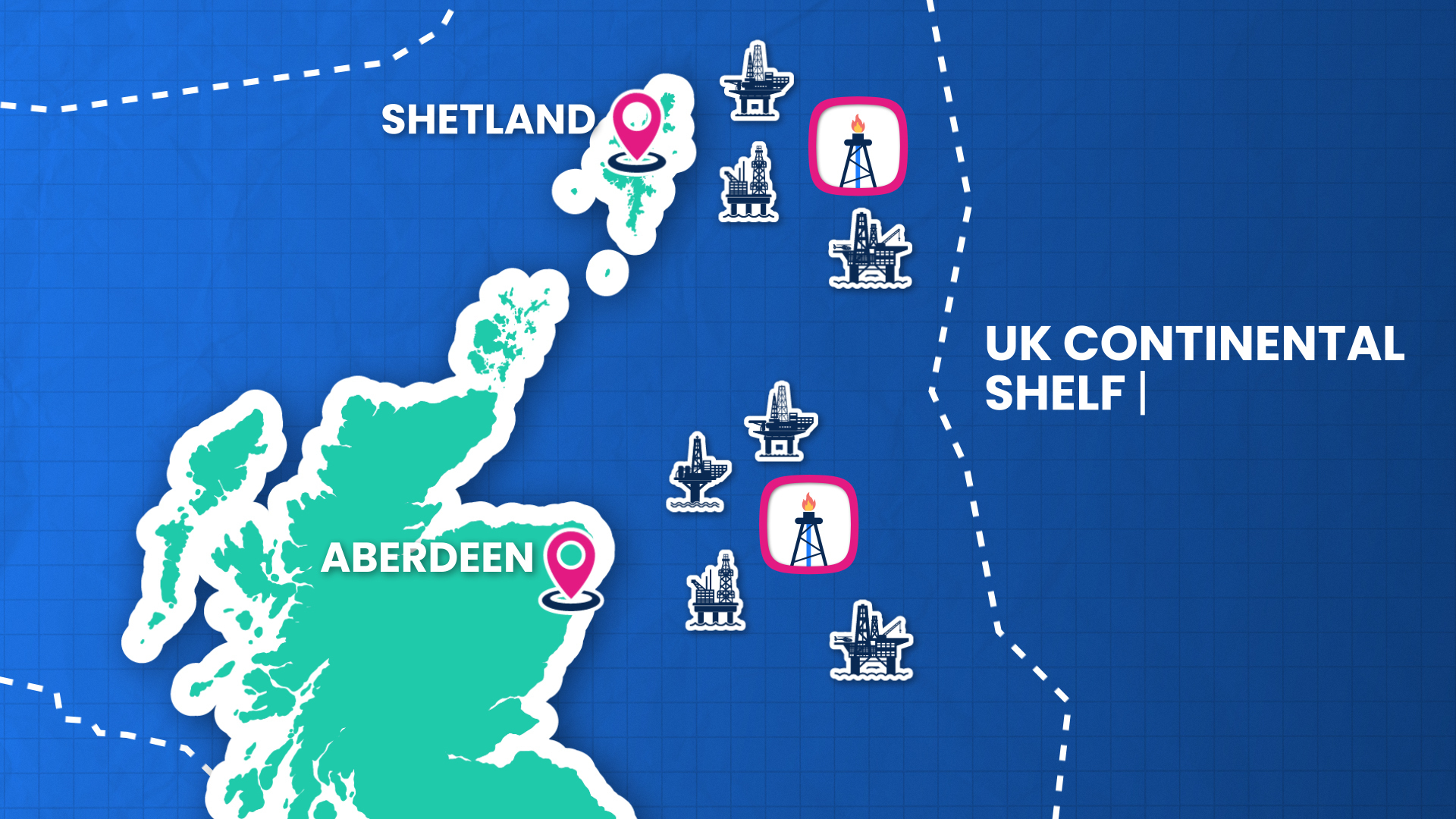
LO4: Explain the types of major accident hazards present across hazardous industries
LO5: Describe key major accidents in hazardous industries and how they shaped today’s safety practices
LO6: Describe the types of work activities performed across hazardous industries and explain their associated risks
LO7: Explain how minor incidents can escalate into major accidents
LO8: Describe the purpose of temporary refuge and evacuation methods offshore
LO9: Analyse industry safety statistics and performance indicators
LO10: Explain what a Safety Case is and why it’s required
LO11: Recognise how activities and personal responsibility contribute to the Safety Case
LO12: Describe how barrier models are used to demonstrate potential weaknesses in safety systems
LO13: Identify why asset integrity is critical to safety
LO14: Describe employer and employee responsibilities in contributing to asset integrity
Workplace Hazards and Personal Safety
LO1: Identify a confined space
LO2: Explain the dangers of working in a confined space
LO3: Describe what working at height is
LO4: Identify the different types of working at height equipment
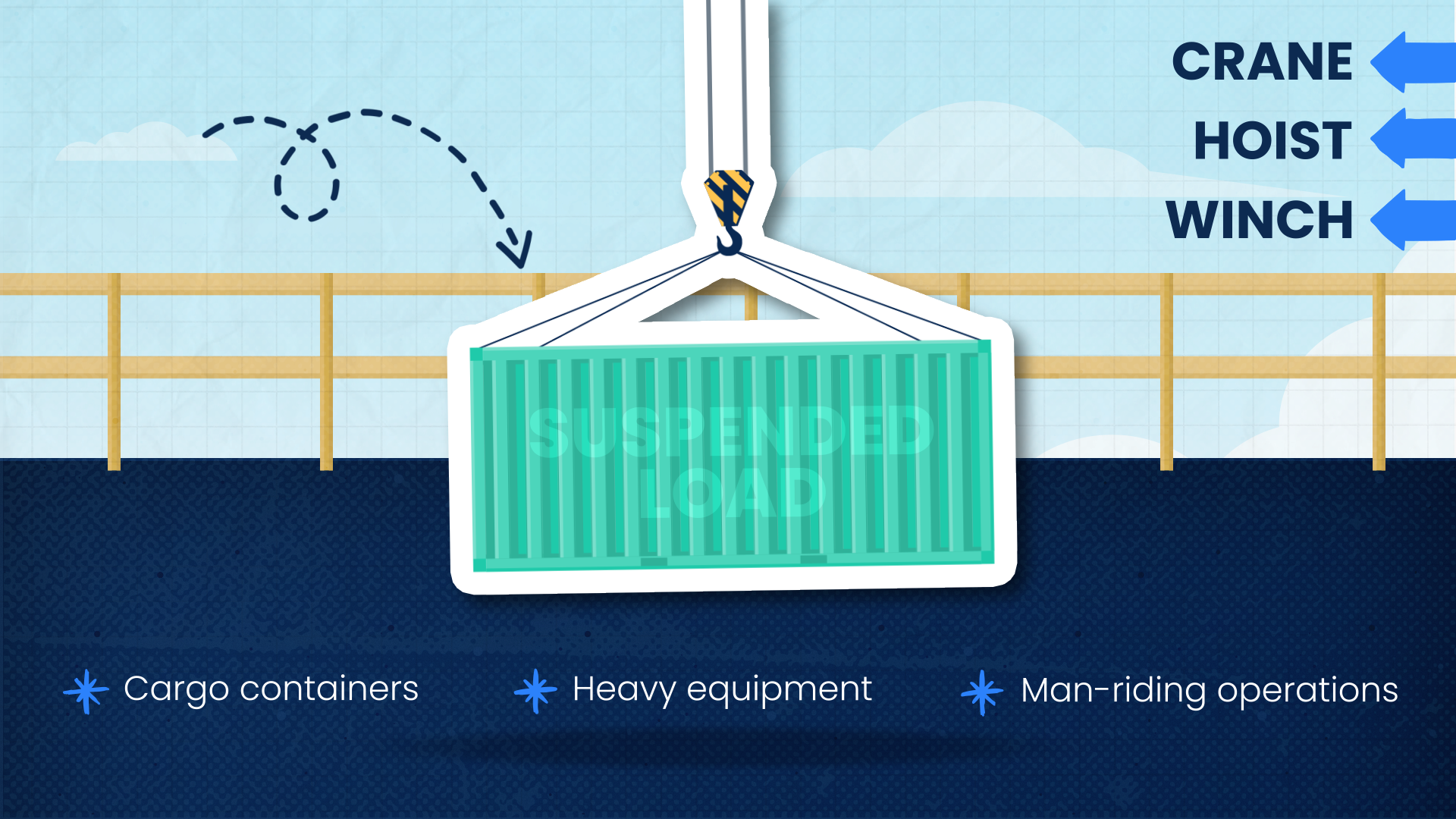
LO5: Describe the dangers associated with suspended loads
LO6: Describe the dangers associated with high-pressure systems and equipment
LO7: Explain the dangers associated with flammable and explosive atmospheres
LO8: Describe the dangers associated with moving and energised equipment
LO9: Identify common chemical hazards and demonstrate the safe use of labels, symbols and safety data sheets
LO10: Describe the dangers associated with manual handling and how to control them
LO11: Explain the different vibration hazards
LO12: Describe the different types of safety critical equipment
LO13: Identify the different types of dropped objects and their hazards
LO14: Identify when and where hearing protection must be used in noisy environments
LO15: Identify common causes of slips, trips and falls and apply safe practices
LO16: Recognise the difference between personal and process safety
LO17: Define fatigue and identify its common causes in the workplace legislations are mentioned in all slides above
LO18: Describe the IOGP Life-Saving Rules and explain how to apply authorisation, permit-to-work and hazard controls to prevent incidents
LO19: Identify the correct PPE needed for a specific task
LO20: Understand when to take Time Out for Safety, intervene to stop unsafe work and report hazards
LO21: Recognise your impact, stay aware and communicate clearly to prevent hazards
LO22: Explain how risks can change and that new controls may create new hazards
LO23: Describe the role of the safety committee and how to raise concerns effectively
Risk Management
LO1: Define the terms: risk assessment, hazards, controls, and risks
LO2: Describe the hierarchy of controls its role in risk management
LO3: Explain the principles and techniques involved in risk assessment
LO4: Outline the typical steps involved in conducting a risk assessment
LO5: Explain how to use a risk matrix
LO6: Identify and analyse additional elements that enhance the effectiveness of risk assessments
LO7: Explain how management of change can both contribute to and prevent workplace injuries
LO8: Explain the purpose and evaluate the effectiveness of risk intervention systems
LO9: Explain how to safely carry out an intervention in response to an identified risk
LO10: Explain the importance of reporting and lessons learned
Control of Work
LO1: Describe what a Safety Management System (SMS) is and how it supports safe operations
LO2: Explain the key elements of a strong HSE policy and why an SMS must remain active
LO3: Describe key safety elements and the benefits of incident and near-miss reporting
LO4: Explain the importance of effective shift handovers and how failures can lead to major accidents
LO5: Identify the role of audits
LO6: Explain the principles and objectives of the Permit to Work (PTW) system
LO7: Summarise the essential rules of the PTW system
LO8: Explain PTW colour coding, legal status, and it's role in controlling risk
LO9: Explain how PTW systems operate, including paper and electronic permits
LO10: Identify the key roles involved in PTW generation
LO11: Describe how to sign, suspend, and reinstate a Permit to Work
LO12: Explain why personal responsibility is essential when working under a PTW system
Helicopter Safety
LO1: Explain how aviation is regulated and who regulates it
LO2: Describe helicopter systems and safety equipment
LO3: Explain the types of helicopter maintenance and inspection process
LO4: Identify the difference between licensed and unlicensed maintenance engineers
LO5: Describe the qualifications, training, and competency checks required for pilots
LO6: Explain the importance of soft skills in helicopter pilot training
-
Assessment & certification
This MIST Further Online course requires a 100% pass mark before you can receive your certificate.
User certificates, training progress and results are all stored centrally in your LMS and can be accessed any time to reprint certificates, check pass marks, and act as proof of a commitment to ongoing legal compliance.
-
What does my certificate include?
Your MIST certificate includes your name, company name (if applicable, name of course taken, date of completion, expiry date and an OPITO stamp of approval.
Note: If using SCORM delivery via a third-party LMS, certification will need to be generated within your host LMS.
Play video

Explore more
Related courses
Workplace Hazards and Personal Safety
- 90 minutes
- 15 assessment questions
- No pre-requisites
- 80% pass mark
Chorus Certificate of Training
OPEP Level 1 (On-Scene Commander)
- 120 minutes
- 10 modules
- 36 assessment questions
- No pre-requisites
- 80% pass mark
The Nautical Institute
Major Accident Hazards
- 45 minutes
- 15 assessment questions
- No pre-requisites
- 80% pass mark
Chorus Certificate of Training