
LOLER Awareness
Safe lifting isn’t just about equipment, it’s about planning, competence and control. This course gives learners the knowledge to reduce risk, stay compliant and protect everyone involved in lifting operations.
At a glance
- 30 minutes
- 12 assessment questions
- No pre-requisites
- 80% pass mark
Accreditation
Chorus training certificate
£40.00
Per unit - exc. VAT
Why this course matters
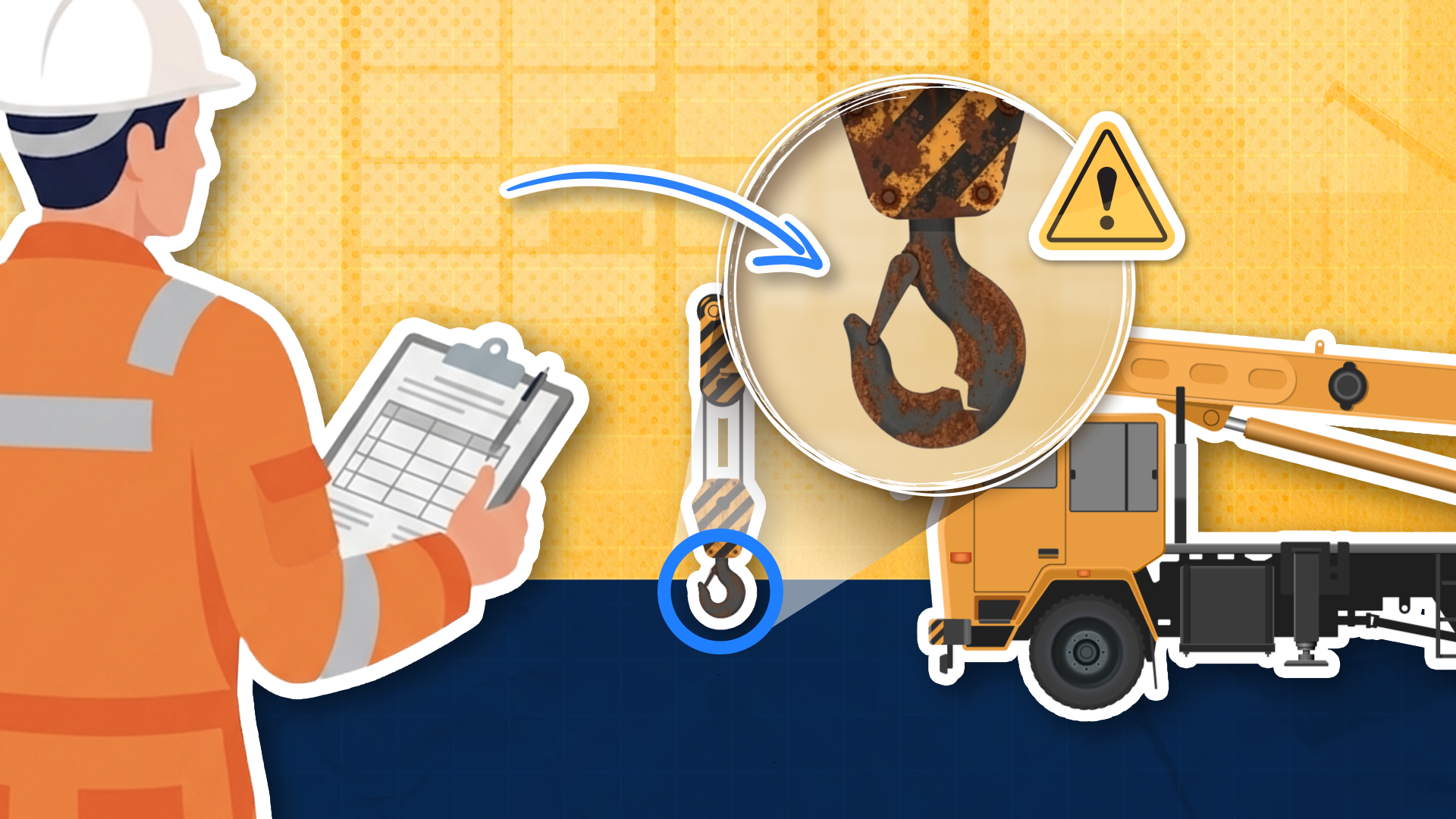
- Every year, workplace accidents involving heavy loads and lifting equipment cause serious injuries and fatalities
- Incidents involving dropped or swinging loads can result in catastrophic consequences
- Many lifting-related accidents are caused by poor planning, inadequate supervision or equipment failure
- LOLER places legal duties on employers to ensure lifting operations are safe and properly managed
(Source: HSE.gov.uk)

-
Overview
Lifting operations are a routine part of many hazardous industries, but when they go wrong, the consequences can be severe. This course introduces the Lifting Operations and Lifting Equipment Regulations (LOLER) and explains how to plan, carry out, and supervise lifting activities safely and in compliance with UK law.
Learners will explore the risks associated with lifting equipment and suspended loads, as well as the controls needed to prevent incidents. By the end of the course, participants will understand how to ensure lifting operations are properly planned, equipment is suitable and maintained and risks are effectively managed to protect people and operations.
-
Who should take this course?
This training course is suitable for:
- Workers involved in lofting operations or working near lifting activities
- Supervisors, managers and those responsible for planning lifting tasks
- Anyone responsible for the safe use, inspection or maintenance of lifting equipment
-
Learning outcomes
LO1: Define LOLER and explain its purpose in promoting safe listing operations
LO2: Explain why lifting operations present significant risks in the workplace
LO3: Identify workplaces and activities where LOLER apply
LO4: Define lifting equipment and identify common examples used in industrial environments
LO5: Define lifting accessories and recognise examples
LO6: Explain the requirement for lifting equipment to be suitable, stable and strong enough for its intended use
LO7: Describe the importance of safe working load (SWL) and other markings on lifting equipment
LO8: Explain why lifting operations must be properly planned and carried out safely
LO9: Describe the difference between pre-checks and thorough examinations
LO10: Identify typical inspection and examination intervals for lifting equipment accessories
LO11: Describe the responsibilities of employers and employees when using lifting equipment
LO12: Recognise common hazards associated with lifting operations and explain the importance of reporting defects or unsafe equipment
-
Course content
This course combines high-impact visuals, clear narration and interactive activities to guide learners through:
- An introduction to LOLER and how it applies to lifting operations, alongside PUWER requirements
- Types of lifting equipment, including cranes, hoists, slings, and lifting accessories
- Common hazards such as dropped loads, equipment failure and poor planning
- Safe systems of work, including lift planning, supervision and exclusion zones
- Inspection, maintenance and thorough examination requirements
- Roles and responsibilities, including competent persons and duty holders
- Practical scenarios to reinforce safe lifting behaviours and decision-making
-
Assessment & certification
This LOLER Awareness training course ends with a 12-question multiple choice test with a downloadable certificate.
User certificates, training programmes and results are all stored centrally in your LMS and can be accessed at any time to reprint certificates, check pass marks and act as proof of a commitment to ongoing legal compliance.
-
What does my certificate include?
Your LOLER Awareness certificate includes your name, company (if applicable), course title, date of completion, expiry date, and relevant accreditations or approval stamps.
Note: If using SCORM delivery via a third-party LMS, certification will need to be generated within your host LMS
Play video

Explore more
Related courses
Manual Handling Awareness
- 30 minutes
- 10 assessment questions
- No pre-requisites
- 80% pass mark
Chorus Certificate of Training
PPE Awareness
- 30 minutes
- 10 assessment questions
- No pre-requisites
- 80% pass mark
Chorus Certificate of Training

Working at Height Awareness
- 30 minutes
- 10 assessment questions
- No pre-requisites
- 80% pass mark
Chorus Certificate of Training