
Helicopter Safety Awareness
Helicopter travel is essential to many offshore operations, but it comes with unique hazards and strict safety requirements. This course helps learners understand aviation safety and their role in supporting safe helicopter operations.
At a glance
- 15 minutes
- 6 assessment questions
- No pre-requisites
- 80% pass mark
Accreditation
Chorus Training certificate
£40.00
Per unit - exc. VAT
Why this course matters
- Helicopter operations in offshore and hazardous sectors rely on strict regulation, robust engineering, and highly trained pilots to maintain safety.
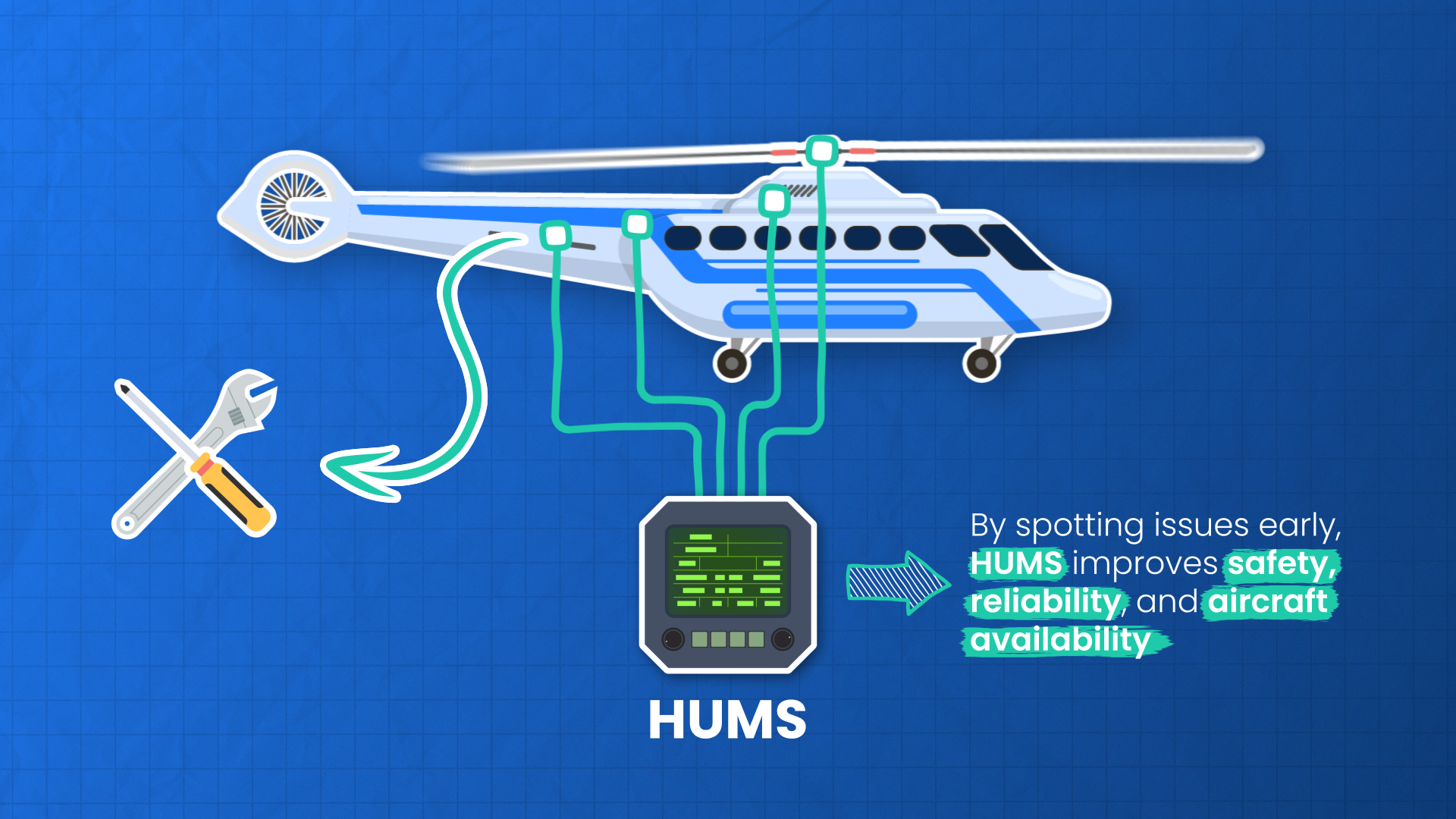
- Modern systems such as HUMS and TCAS significantly reduce risk by detecting faults early and preventing mid-air conflicts.
- Maintenance errors, poor communication, or inadequate crew co-operation have been contributing factors in past aviation incidents.

-
Overview
Helicopters are essential to operations across offshore, energy, maritime, and emergency response sectors, but they also present unique risks that must be properly understood and controlled. This Helicopter Safety Awareness course provides learners with foundational knowledge of how helicopter operations are regulated, how aircraft systems support safe flight, how maintenance and engineering controls reduce risk, and what competencies pilots must demonstrate to operate safely.
This course also highlights the importance of soft skills such as communication, airmanship, and crew co-operation, all of which play a critical role in preventing incidents during flight operations.
-
Who should take this course?
This training is suitable for:
- Personnel travelling by helicopter to offshore installations
- Workers in hazardous industries where helicopter transport is routine (energy, maritime, emergency response)
- Supervisors and team leaders responsible for aviation safety awareness
- Anyone requiring foundational knowledge of helicopter operation, systems, and safety processes
-
Learning outcomes
By the end of this course, learners will be able to:
LO1: Explain how aviation is regulated and who regulates it
LO2: Describe helicopter systems and safety equipment
LO3: Explain the types of helicopter maintenance and inspection process
LO4: Identify the difference between licensed and unlicensed maintenance engineers
LO5: Describe the qualifications, training, and competency checks required for pilots
LO6: Explain the importance of soft skills in helicopter pilot training
-
Course content
This course combines high‑impact visuals, clear narration, and interactive activities to guide learners through:
- How aviation safety is governed by the Civil Aviation Authority (CAA) and Health and Safety Executive (HSE)
- Key helicopter safety systems including HUMS, TCAS, glass cockpit displays, and emergency equipment
- Minimum Equipment Lists (MELSs) and their role in pre-flight decision-making
- The three primary types of maintenance: unschedules, progressive, and base maintenance
- The responsibilities of Licensed Aircraft Engineers (LAEs) and unlicensed engineers
- Pilot qualification requirements: flight hours, instrument training, classroom study, simulator training, and ongoing proficiency checks
- How soft skills such as communication, teamwork, and airmanship support safe helicopter operations
-
Assessment & certification
This Helicopter Safety Awareness training course ends with a 6-question multiple choice assessment with a downloadable certificate.
User certificates, training programmes and results are all stored centrally in your LMS and can be accessed at any time to reprint certificates, check pass marks and act as proof of a commitment to ongoing legal compliance.
-
What does my certificate include?
Your Helicopter Safety Awareness certificate includes your name, company (if applicable), course title, date of completion, expiry date, and relevant accreditations or approval stamps.
Note: If using SCORM delivery via a third-party LMS, certification will need to be generated within your host LMS
Play video

Explore more
Related courses

Major Accident Hazards
- 45 minutes
- 15 assessment questions
- No pre-requisites
- 80% pass mark
Chorus Certificate of Training
PUWER Awareness
- 30 minutes
- 10 assessment questions
- No pre-requisites
- 80% pass mark
Chorus Certificate of Training
Risk Management Awareness
- 30 minutes
- 10 assessment questions
- No pre-requisites
- 80% pass mark
Chorus Certificate of Training