
Abrasive Wheels Awareness
Abrasive wheel incidents are highly preventable. This course builds essential awareness to help workers recognise risk, follow safe practices, and protect themselves and others when using grinding equipment in hazardous environments.
At a glance
- 30 minutes
- 10 assessment questions
- No pre-requisites
- 80% pass mark
Accreditation
Chorus training certificate
£40.00
Per unit - exc. VAT
Why this course matters
- Thousands of UK workplace accidents occur each year involving abrasive wheels
- Long-term exposure to dust, vibration, and noise can lead to permanent ill-health
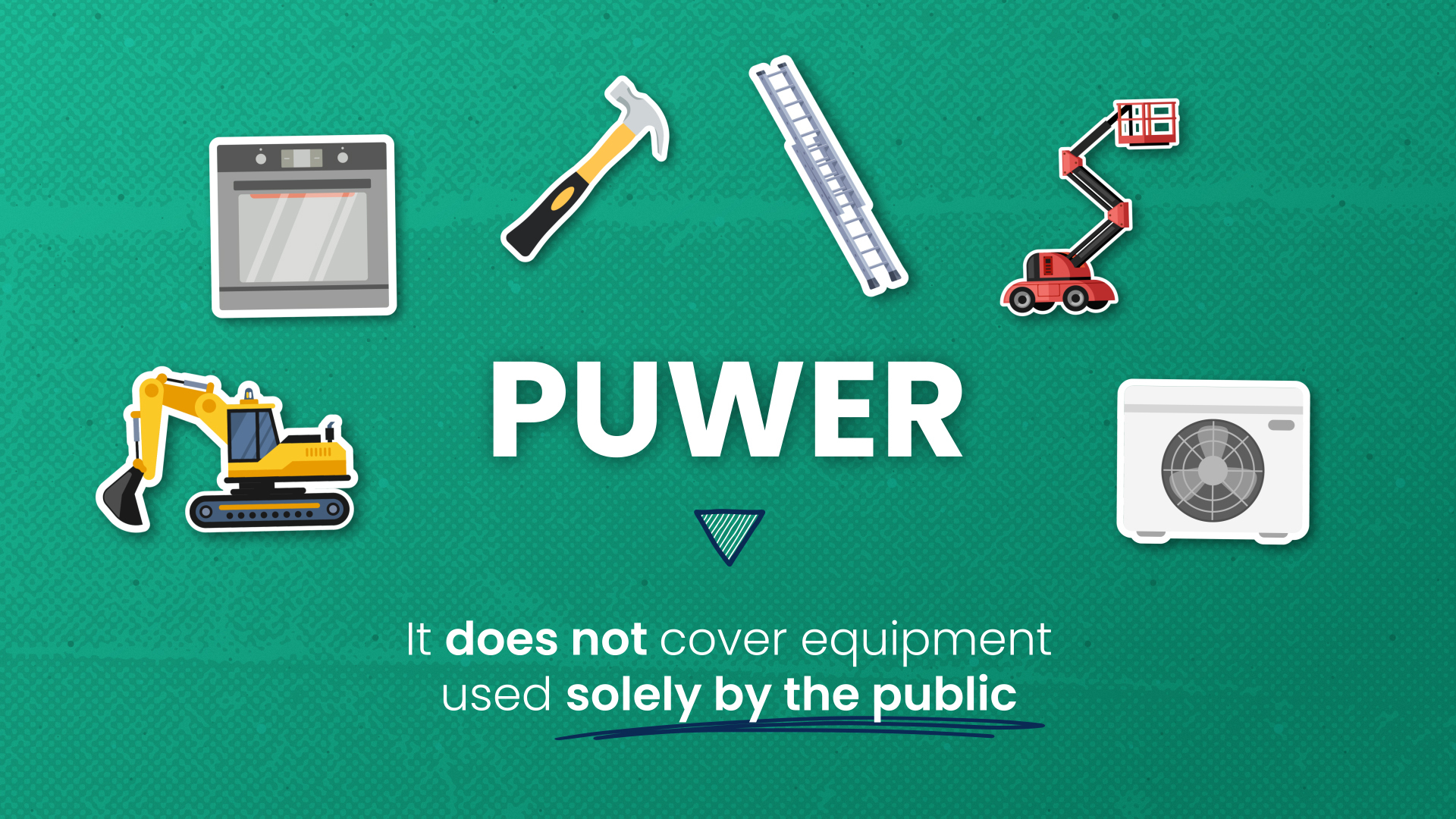
- PUWER requires employers to ensure work equipment is used safely by trained personnel
(Source: HSE.gov.uk)

-
Overview
Abrasive wheels are widely used across hazardous industries for cutting, grinding, and shaping materials. While essential tools, they can present serious risks if selected, mounted, used, or maintained incorrectly. Wheel burst, flying debris, dust exposure, vibration, and noise all have the potential to cause sever injury or long-term health effects.
This Abrasive Wheels Awareness course provides learners with the knowledge needed to recognise abrasive wheel hazards, understand how wheels are specified and labelled, and apply safe practices when working with or around grinding equipment. The course also explains inspection requirements, correct storage, legal duties under PUWER, and the importance of personal protective equipment.
-
Who should take this course?
This training is suitable for:
- Workers who use or work near abrasive wheels or grinding equipment
- Emergency services and technical response teams
- Supervisors and team leaders responsible for equipment safety
- Anyone requiring abrasive wheel awareness under PUWER
-
Learning outcomes
By the end of this course, learners will be able to:
LO1: Define what an abrasive wheel is and describe its main characteristics
LO2: Describe the difference between pedestal and portable grinding machines and their applications
LO3: Identify manufacturer markings, test record numbers, expiry dates, and use restrictions.
LO4: Recognise both immediate and long-term health effects of abrasive wheel use
LO5: Explain how to conduct a visual inspection and ring test of abrasive wheels
LO6: Identify appropriate storage methods for different abrasive wheel types
LO7: Explain how to select, mount, and use abrasive wheels correctly
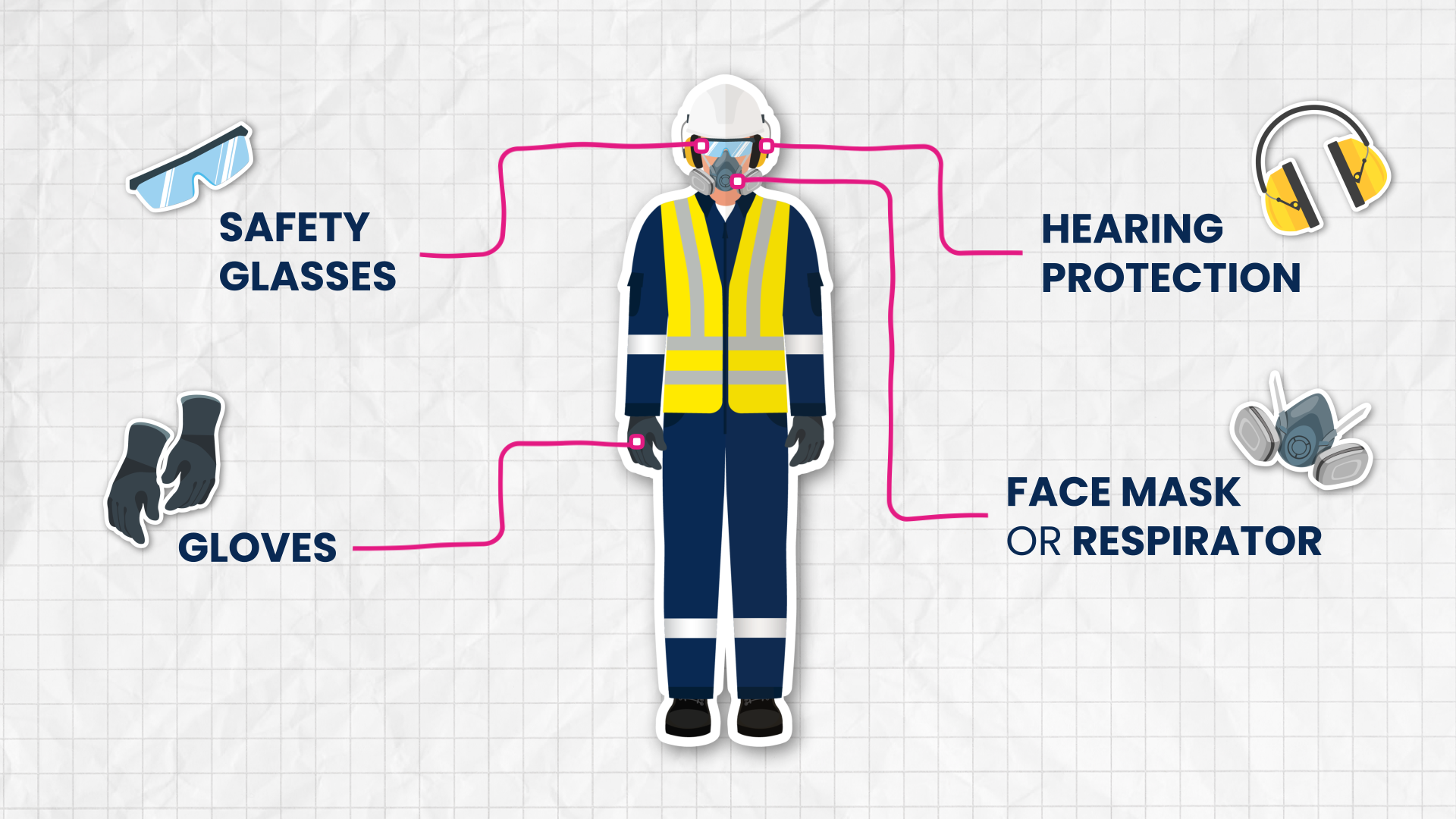
LO8: Identify control measures and PPE required to reduce the risk of injury
LO9: Explain the role of PUWER in governing abrasive wheel safety
LO10: Describe employer and employee responsibilities for safe abrasive wheel use
-
Course content
This course combines high-impact visuals, clear narration, and interactive activities to guide learners through:
- What abrasive wheels are and how they are manufactured
- Differences between pedestal and portable grinders
- Abrasive wheel labelling, markings, and speed limitations
- Common hazards including wheel burst, debris, dust, noise, and vibration
- Health risks such as eye injuries, respiratory damage, HAVS, and hearing loss
- Pre-use inspection methods, including visual checks and ring testing
- Safe storage requirements to prevent deterioration and damage
- Correct selection, mounting, and operation of abrasive wheels
- Safety guards, shields, and PPE requirements
- Legal duties under PUWER and shared responsibility for safety
-
Assessment & certification
This Abrasive Wheels Awareness training course ends with a 10-question multiple choice assessment with a downloadable certificate.
User certificates, training programmes and results are all stored centrally in your LMS and can be accessed at any time to reprint certificates, check pass marks and act as proof of a commitment to ongoing legal compliance.
-
What does my certificate include?
Your Abrasive Wheels Awareness training certificate includes your name, company (if applicable), course title, date of completion, expiry date, and relevant accreditations or approval stamps.
Note: If using SCORM delivery via a third-party LMS, certification will need to be generated within your host LMS
Play video

Explore more
Related courses
PUWER Awareness
- 30 minutes
- 10 assessment questions
- No pre-requisites
- 80% pass mark
Chorus Certificate of Training
First Aid Awareness
- 30 minutes
- 7 assessment questions
- No pre-requisites
- 80% pass mark
Chorus Certificate of Training
Slips, Trips and Falls Awareness
- 30 minutes
- 10 assessment questions
- No pre-requisites
- 80% pass mark
Chorus Certificate of Training